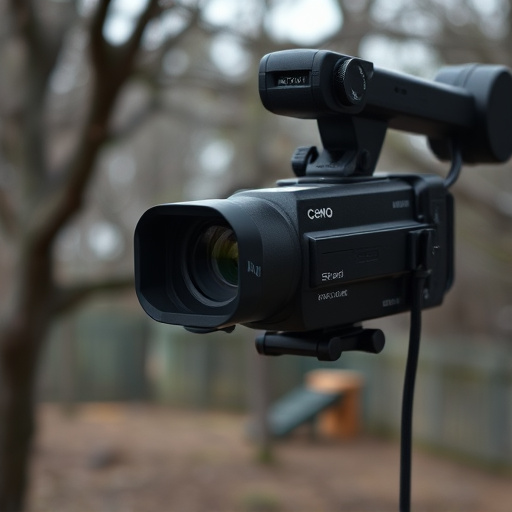
Wireless decoy cameras transform business security with discreet, sophisticated technology, luring intruders while transmitting data wirelessly. Smartphone apps detect hidden surveillance threats in real-time, enhancing privacy protection for retail, offices, and industrial facilities. Visual inspection techniques, combined with GPS tracking and proactive measures, offer comprehensive defense against unauthorized surveillance, crucial in today's digital era for businesses seeking enhanced security.
In today’s digital age, businesses face an invisible threat from hidden wireless decoy cameras. This comprehensive guide explores effective methods to detect these clandestine devices using your smartphone. From understanding advanced camera technology and leveraging dedicated apps to visual inspection techniques and GPS tracking, we equip you with the tools to ensure safety. Discover best practices for identifying and neutralizing hidden cameras, crucial steps to safeguard your business from surveillance.
- Understanding Wireless Decoy Cameras
- Smartphone Apps for Camera Detection
- Visual Inspection Techniques
- Advanced GPS Tracking Methods
- Ensuring Safety: Best Practices
Understanding Wireless Decoy Cameras
Wireless decoy cameras have emerged as a sophisticated tool for businesses aiming to enhance their security. These innovative devices mimic real cameras, luring potential intruders while providing critical visual data to protect assets and sensitive information. Unlike traditional hidden cameras, wireless decoys operate independently, connecting to a network to transmit footage remotely. This allows businesses to monitor activities discreetly from anywhere, making them an effective solution for preventing theft, vandalism, and other security breaches.
For businesses, integrating wireless decoy cameras offers several advantages. They serve as powerful deterrents, as would-be perpetrators may think twice before attempting unauthorized access. Moreover, these cameras provide real-time alerts, enabling swift response to any suspicious activities. With their ability to operate on battery or solar power, these decoys ensure constant vigilance without the hassle of cable connections. This technology is particularly valuable for retail stores, offices, and industrial facilities seeking advanced security solutions tailored to their unique needs.
Smartphone Apps for Camera Detection
Smartphone apps have emerged as powerful tools in the quest to detect hidden cameras, including wireless decoy cameras often used by businesses for surveillance. These applications leverage advanced sensors and computer vision algorithms to scan environments and identify potential camera threats. Some popular options offer real-time alerts about hidden recorders, helping users stay vigilant against covert monitoring.
By utilizing specific smartphone apps, individuals and businesses can proactively search for concealed cameras, such as those used in retail stores, offices, or even homes. The apps often provide features like live video analysis, image processing, and signal detection to pinpoint the locations of hidden devices, enhancing privacy protection in today’s digital landscape.
Visual Inspection Techniques
Visual inspection techniques play a crucial role in identifying hidden cameras, especially those designed for covert surveillance. One effective method is to use dedicated smartphone apps that analyze visual feeds in real-time. These apps can detect anomalies like unusual light patterns or irregular pixel arrangements, which often indicate the presence of a camera lens. Additionally, professionals employ advanced optical techniques, such as infrared imaging and polarized light, to reveal hidden cameras that may be difficult to spot with the naked eye.
When it comes to businesses seeking protection against wireless decoy cameras, visual inspection is an initial step in identifying potential security breaches. By combining human observation with technological tools, business owners can proactively safeguard their premises from unauthorized surveillance devices. Regular visual checks, coupled with advanced smartphone methods, offer a robust defense mechanism against hidden cameras, ensuring peace of mind and the privacy of sensitive operations.
Advanced GPS Tracking Methods
In today’s digital era, businesses are leveraging advanced technologies to safeguard their operations and customer privacy, including employing Wireless Decoy Cameras as a proactive measure. These innovative devices offer a stealthy solution for surveillance, mimicking real cameras while diverting potential intruders or malicious actors. By integrating GPS tracking into these decoys, businesses can gain real-time location data, enabling them to monitor suspicious activities and respond swiftly.
This technology takes advantage of smartphone capabilities to enhance security. With dedicated apps, users can remotely activate and control wireless decoy cameras, receive alerts for any unusual movement, and even track the device’s precise GPS coordinates. This method provides an extra layer of protection, especially in high-risk areas, ensuring businesses remain vigilant against potential threats.
Ensuring Safety: Best Practices
To ensure safety in public and private spaces, it’s crucial to implement best practices when it comes to detecting hidden cameras using smartphone methods. One effective measure is the use of wireless decoy cameras for businesses. These decoys can help deter actual spy cams by drawing potential attackers’ attention while providing valuable time to investigate or evacuate if necessary.
Best practices also include regular and thorough checks in high-risk areas, keeping software updated with the latest detection algorithms, and educating employees or individuals about privacy risks. Additionally, utilizing dedicated smartphone apps designed for camera detection can significantly enhance security. Remember, a proactive approach combining technological tools and awareness is key to protecting sensitive information and maintaining a safe environment.
Detecting hidden cameras, especially sophisticated wireless decoy cameras used in businesses, has become a vital concern for privacy and security. This article has explored diverse strategies, from smartphone apps that leverage advanced sensors to visual inspection techniques using professional equipment. By combining these methods—such as GPS tracking to pinpoint devices and utilizing apps for real-time alerts—individuals and organizations can significantly enhance their ability to safeguard sensitive spaces. Adhering to best practices, including regular audits and staying informed about technology advancements, ensures a proactive approach to countering the growing threat of hidden surveillance.